
 Português
 English
 Español





















Best pills for erection: what it is and what to do
Disclaimer: this information is educational and not a substitute for a doctor’s consultation. Always speak with a qualified healthcare professional before starting or changing any medication.
Erectile difficulties are common and treatable. If you’re searching for the best pills for erection, you’re likely looking for safe, effective options that improve blood flow and sexual performance. This complete guide explains what these medications are, how they work, who they are for, and what to consider before using them.
Quick summary in 30 seconds
- Most prescription erection pills belong to a class called PDE5 inhibitors and improve blood flow to the penis.
- They are effective for many men but require sexual stimulation to work.
- Underlying conditions (diabetes, heart disease, stress) often contribute to erectile dysfunction (ED).
- A medical evaluation is important to rule out serious causes and avoid dangerous drug interactions.
What is «Best pills for erection» (definition in simple terms)
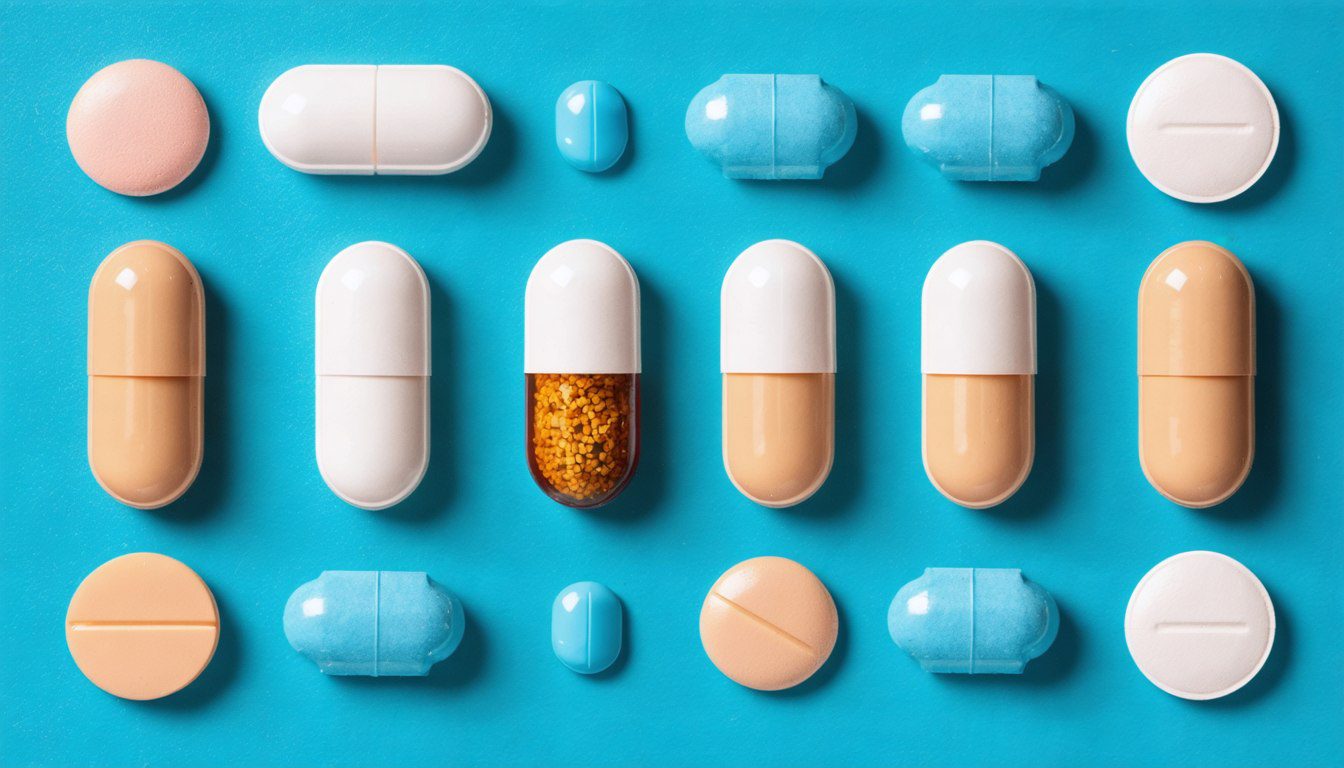
The phrase best pills for erection usually refers to oral medications used to treat erectile dysfunction (ED) — the inability to achieve or maintain an erection firm enough for satisfactory sexual activity.
Most commonly, these are prescription drugs known as PDE5 inhibitors. They work by relaxing blood vessels and increasing blood flow to the penis during sexual stimulation. Examples (for general information only) include sildenafil, tadalafil, vardenafil, and avanafil.
There is no single “best” option for everyone. The right choice depends on:
- Overall health and cardiovascular status
- Other medications being taken
- How quickly you want the medication to work
- How long you want the effect to last
- Side effect tolerance
Causes and risk factors
Before choosing erection medication, it’s essential to understand why ED happens. In many cases, it is a symptom of another condition.
Physical causes
- Cardiovascular disease (atherosclerosis, high blood pressure)
- Diabetes mellitus
- High cholesterol
- Obesity and metabolic syndrome
- Hormonal imbalances (low testosterone)
- Neurological disorders
Psychological causes
- Stress and anxiety
- Depression
- Relationship problems
- Performance anxiety
Lifestyle risk factors
- Smoking
- Excessive alcohol use
- Lack of physical activity
- Poor sleep
ED can sometimes be an early warning sign of cardiovascular disease. In the context of broader health and even market analysis in healthcare trends, erectile dysfunction medications are often discussed as part of preventive men’s health strategies.
Symptoms and how to distinguish from similar conditions
Erectile dysfunction is typically defined by one or more of the following:
- Difficulty achieving an erection
- Difficulty maintaining an erection
- Reduced rigidity during intercourse
How ED differs from other conditions
| Symptom | What it may mean | What to do |
|---|---|---|
| Normal morning erections but problems during sex | Often psychological cause | Consider stress management or counseling |
| No erections at all, including at night | Possible physical/vascular issue | Seek medical evaluation |
| Low libido + fatigue | Possible hormonal imbalance | Discuss hormone testing with a doctor |
| Painful erections | Possible structural issue (e.g., Peyronie’s disease) | Consult a urologist |
Occasional erection difficulty is normal. Persistent problems (lasting several weeks or months) may indicate ED.
Diagnosis (how it is usually confirmed, what tests/examinations are common)
There is no single “ED test.” Diagnosis is usually clinical and based on:
- Medical and sexual history
- Physical examination
- Blood pressure measurement
- Blood tests (glucose, cholesterol, testosterone if indicated)
In selected cases, doctors may recommend:
- Nocturnal penile tumescence testing
- Penile Doppler ultrasound
- Psychological evaluation
Men interested in treatment should avoid unregulated online sources. Just as with economic risk management strategies, careful evaluation reduces potential harm.
Treatment and approaches (overview of options without prescribing treatment to the reader)
The best erectile dysfunction pills for a person depend on individual factors. Below is a general overview — not a prescription.
1. Oral medications (PDE5 inhibitors)
These are typically first-line therapy. They:
- Enhance nitric oxide effects
- Improve penile blood flow
- Require sexual stimulation
Key differences include onset time and duration of action. Some last a few hours; others may last up to 36 hours. Follow the instructions and your doctor.
Important: They must not be used with nitrates (commonly prescribed for chest pain) due to risk of severe blood pressure drop.
2. Lifestyle modification
- Weight loss
- Regular aerobic exercise
- Smoking cessation
- Limiting alcohol
Improving vascular health can significantly enhance erectile function.
3. Psychological counseling
When stress or anxiety is a major factor, therapy can be as important as medication.
4. Other medical treatments
- Vacuum erection devices
- Penile injections (prescribed and supervised)
- Hormone therapy (if medically indicated)
- Surgical implants (in selected cases)
The development and distribution of ED medications are often discussed in pharmaceutical market news and analysis, reflecting their global demand and strict regulatory oversight.
Possible complications and when to see a doctor urgently (red flags)
Most erection pills are well tolerated, but side effects can occur.
Common side effects
- Headache
- Facial flushing
- Nasal congestion
- Upset stomach
Seek urgent medical help if you experience:
- Chest pain during sexual activity
- Sudden vision or hearing loss
- An erection lasting more than 4 hours (priapism)
- Severe dizziness or fainting
Additionally, if ED develops suddenly, especially with other symptoms like chest discomfort or shortness of breath, it may signal a cardiovascular issue requiring immediate attention.
Prevention and lifestyle
While many men search for the best pills for erection, long-term prevention focuses on overall health.
Heart-healthy habits = erection-friendly habits
- Maintain healthy blood pressure and cholesterol
- Exercise at least 150 minutes per week (as advised by health authorities)
- Eat a balanced diet rich in vegetables, fruits, whole grains, and healthy fats
- Sleep 7–9 hours per night
Think of erectile function as part of your body’s broader “vascular index.” Just as investors track key performance indicators and indices, monitoring blood sugar, weight, and blood pressure provides early signals of risk.
FAQ
1. Are over-the-counter erection supplements effective?
Some supplements claim to improve sexual performance, but scientific evidence is often limited. Quality and safety can vary significantly. Discuss any supplement with your doctor.
2. Do erection pills increase sexual desire?
No. They improve blood flow but do not directly increase libido.
3. Can younger men use ED pills?
They may be prescribed if clinically indicated, but underlying psychological or lifestyle factors are common in younger individuals.
4. How quickly do they work?
Onset depends on the specific medication and individual response. Always follow medical guidance.
5. Is it safe to buy ED pills online?
Only purchase from licensed pharmacies. Counterfeit medications are a serious global problem.
6. Can ED be reversed without medication?
In some cases, yes — especially when related to obesity, smoking, or stress. Lifestyle changes can significantly improve symptoms.
7. Are these medications safe for heart patients?
Some heart patients can use them safely, but those taking nitrates must not. A cardiology consultation may be necessary.
8. What if the first medication doesn’t work?
Doctors may adjust the treatment strategy. Do not self-adjust or combine medications without professional supervision.
Sources
- National Institute of Diabetes and Digestive and Kidney Diseases (NIDDK): https://www.niddk.nih.gov/
- American Urological Association (AUA): https://www.auanet.org/
- Mayo Clinic – Erectile Dysfunction Overview: https://www.mayoclinic.org/
- European Association of Urology (EAU): https://uroweb.org/
- World Health Organization (WHO): https://www.who.int/
Bottom line: The best pills for erection are those that are medically appropriate, safe for your health profile, and part of a broader strategy addressing underlying causes. A professional evaluation remains the most reliable first step.